Miami’s skyline stands as a canvas of innovation and vibrancy. As property owners and developers aim to leave their mark, an expertly finished building facade becomes essential. If you’re searching for a facade installer in Miami, this guide unpacks two standout features—perforated panels and architectural louvers—that are reshaping urban aesthetics and performance.
Why Miami Needs Smart Facade Solutions
A Climate That Demands More
Miami’s sunshine and humidity stress building exteriors daily. Traditional facades age quickly under UV exposure and moisture. Innovative facade treatments like perforated panels and architectural louvers tackle heat, sunlight, and airflow, all while offering style.
Sustainability and Efficiency
Climate-responsive facades reduce HVAC loads, cut energy use, and improve indoor comfort. Prospective installers who incorporate these design elements can add real value to Miami projects.
The Competitive Edge
In a crowded real estate market, distinctive facade features help developments stand out. Custom visual effects, unique textures, and dynamic appearances created by perforated panels and architectural louvers are powerful marketing differentiators.
Perforated Panels: Beauty Meets Functionality
What Are Perforated Panels?
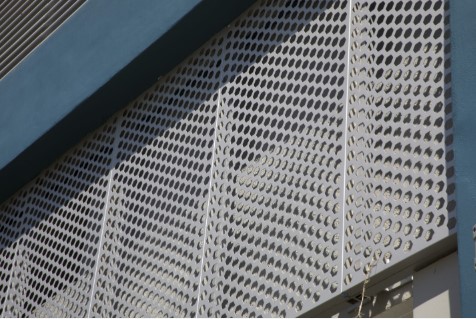
These are metal (or composite) sheets punctuated with patterns or holes. They serve as exterior screen layers on facades, balconies, and building envelopes.
Visual Versatility
Perforated panels can be customized with patterns that reflect local culture or branding. They let light and shadow animate your facade, especially striking at dusk when interior lighting glows outward.
Environmental Benefits
- Sun Control: Variable hole density acts as a passive shading system, reducing solar gain and lowering cooling costs.
- Passive Ventilation: In ventilated facade systems, perforated layers protect insulation while allowing airflow.
- Rain Protection: They serve as a sacrificial screen, absorbing rainfall before it hits deeper layers.
Durability and Materials
Materials include aluminum, steel, and composite panels. Aluminum resists corrosion (advantageous in coastal Miami), while steel offers strength. Powder coating adds extra aesthetic and protective customization.
Design Factors for Installers
- Hole Size & Pattern: Larger holes increase transparency but reduce shading. Designers should balance visual impact with performance.
- Panel Layout: Hidden fixings offer clean lines; visible attachments create industrial vibes.
- Acoustic Performance: Perforated panels can reduce noise when paired with acoustic insulation—ideal for hotels along buzzing streets.
Installation Tips
- Coordinate with structural frames early to align fastening points.
- Allow thermal expansion—roughly 2–3 mm gaps per meter are typical for aluminum.
- Ensure water drainage paths behind panels to prevent mildew.
Architectural Louvers: Elegant Airflow & Style
Understanding Architectural Louvers
Unlike perforated panels, louvers are angled blades or slats. They redirect air, deflect sunlight, and conceal mechanical equipment.
Louvers vs. Perforated Panels
- Louvers: Defined directional control; ideal for airflow and visual screening.
- Perforated Panels: Patterned transparency; best for decorative shading and aesthetic play.
Smart facades often combine both: louvers for airflow, perforated panels for visual artistry.
Types and Uses of Louvers
- Fixed Louvers: Permanent blades, great for shading and airflow.
- Adjustable Louvers: Motorized, offering adjustable sun control—ideal for premium offices and luxury condos.
- Air Intake/Exhaust Louvers: Prioritize airflow and mechanical concealment.
Design and Orientation Considerations
- Louvers should be sized based on wind exposure.
- Angle to block solar paths; typically 30–45° helps deflect sun while admitting diffuse light.
- Finish matters: glossy surfaces reduce heat, matte surfaces avoid glare.
Material & Maintenance
Aluminum is popular for its light weight and corrosion resistance. Stainless steel is tougher, but pricier. Powder-coating adds longevity and color flexibility.
Installation Practicalities
- Embed louvers within structural supports.
- Integrate weep holes to shed water.
- Ensure louvers are accessible for cleaning—especially in humid, salty air zones.
Hybrid Facades: Marrying Panels and Louvers
The Best of Both
Combining perforated panels with architectural louvers offers façade systems that are efficient, beautiful, and functional. Visualize louvers behind patterned panels—creating depth and layered shadowplay.
Case Study Concept
Picture a Miami midrise:
- A ground-level wave pattern in perforated aluminum adds rhythmic identity.
- At the top mechanical penthouse, louvers hide rooftop equipment.
- Between floors, slatted louvers control 60% solar ingress.
- Integrated LED lighting casts linear accents at night.
Installer Coordination
Collaborate early with architects and engineers. Panel formats must align with structural members. Louvers need clearance to function; panels shouldn’t block airflow.
Code and Regulation Awareness
Miami-Dade winds and Florida building codes require panels and louvers to withstand hurricane force and salt corrosion. Proper testing ensures code compliance.
The Installer’s Guide to Winning Facade Projects
Pre-Award Stage
- Showcase past projects featuring perforated panels and architectural louvers.
- Offer digital mock-ups for client approval.
Designing Material Samples
Produce large-format test panels. Miami clients often want to touch and view colors under natural light.
Budgeting Accurately
- Factor in metal gauge choices.
- Account for startup costs: scaffolding, cranes, weatherproofing.
Planning the Build
- Plan laydown zones for large panels/louvers.
- Coordinate with other trades.
Quality Control on Site
- Inspect tolerances.
- Check coating integrity.
- Verify fixings are tight and corrosion-resistant.
Maintenance Contracts
Offer service packages: periodic cleaning, corrosion inspections, lubrication of movable louvers.
Miami-Specific Challenges & Solutions
Coastal Environment
Salt accelerates corrosion. Use AAMA 2605-grade coatings and durable metals.
Hurricane Resilience
Panels and louvers must meet wind-load requirements. Test assemblies to 200+ mph resistance.
Thermal Comfort
Heat rejection is vital. Louvers and perforated panel shading reduce interior cooling load.
Urban Heat Island Effect
Facades that reflect sunlight and ventilate cut building heat gain and trapped city heat.
Aesthetic Expectations
Miami’s style leans toward tropical-modern. A skilled installer can propose patterns inspired by palm fronds or ocean waves.
Select the Right Installer
When you search for a “facade installer in Miami,” target firms that demonstrate:
- Technical knowledge of perforated panels and louvers.
- Project-specific experience with salt‑fog and wind‑load requirements.
- Collaborative workflow.
- In‑house fabrication or vetted suppliers ready for custom jobs.
Suggested Vetting Checklist
Qualification
Importance
Miami-Dade approvals
Mandatory
Wind-load testing
Very high
Previous local projects
Strong credibility
On-site mockups offered
High
Warranty & maintenance plan
Essential
Return on Investment (ROI) Analysis
Energy Savings
Shading and ventilation decrease AC runtime. ROI often falls within 5–7 years.
Premium Valuation
Standout facades can raise resale value by 3–8% and attract higher-tier clients or tenants.
Reduced HVAC Loads
Lower peak cooling demand cuts HVAC sizing needs and maintenance.
Marketing Draw
Modern facades make any project more attractive on listing photos and social media.
Common Misconceptions
“They’re Just Decorative”
No—they optimize solar control, airflow, and protection.
“Too Expensive”
While upfront cost is higher, lifecycle savings and asset value usually outweigh.
“Maintenance Nightmare”
Quality coatings and planned upkeep keep these systems functional and good-looking for decades.
Next Steps: What Property Owners Should Do
- Define Goals
- Request Options
- Review Technical Data
- See Demos
- Check References
- Secure Warranty
- Plan Maintenance
Final Thoughts
In a city as visually charged as Miami, a well-designed facade does more than protect—it performs, resonates, and adds value. Perforated panels create patterns of light and shade that bring a building to life. Architectural louvers balance airflow, shading, and style. When combined, they form facades that are functional, sustainable, and iconic.
If you’re looking for a facade installer in Miami, focus on those who balance artistry with engineering, who understand local conditions, and who deliver quality from concept through completion.

