
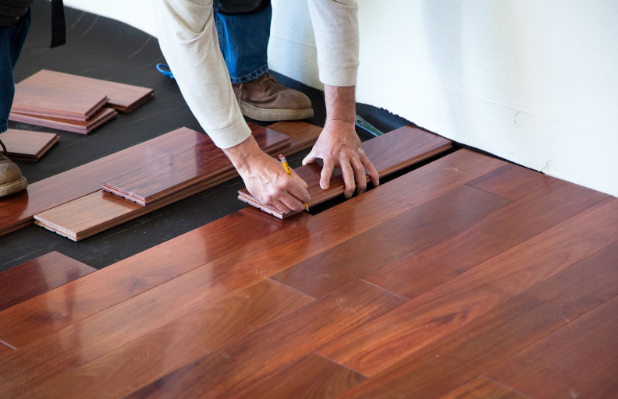
Engineered hardwood is winning over homeowners by solving solid wood’s biggest problems. It handles humidity, works over concrete and radiant heat, and offers a real wood look at lower costs. Its flexible installation cuts labor time, making it the go-to choice for modern homes and tricky spaces like basements and kitchens.
Solid hardwood flooring ruled American homes for generations, but a construction revolution is changing what goes beneath homeowners’ feet. Engineered hardwood flooring now increasingly dominates showroom floors and contractor recommendations, not through marketing hype but through solving real-world problems that solid wood simply can’t address. Climate variations destroy solid planks through constant expansion and contraction. Basement installations were previously impossible. Modern construction methods, like concrete slabs, left homeowners with limited options. The engineered solution delivers authentic wood character while engineering out the weaknesses that plagued traditional installations for decades.
What Makes Engineered Hardwood Different from Solid Hardwood?
Engineered hardwood floor uses multi-layer construction with a real wood veneer surface bonded to high-density plywood or HDF cores. Solid hardwood consists of single-piece boards milled from lumber throughout their entire thickness.
Solid Hardwood Construction
Traditional solid planks are milled from single pieces of oak, maple, cherry, or exotic species. This uniform construction allows multiple refinishing cycles, often 5 to 7 times over the floor’s lifetime, since sanding removes only surface material without reaching different core layers.
Key Characteristics:
- Single-species construction throughout the plank
- Standard 3/4-inch thickness provides refinishing depth
- Natural expansion and contraction with seasonal humidity
- Installation requires proper subfloor and climate conditions
- Premium pricing reflects solid lumber consumption
Engineered Hardwood Technology
Modern engineered planks feature 2-8mm real wood top layers attached to 5-9 plywood or HDF core layers running in perpendicular grain directions. Cross-directional cores resist warping while thinner top wood layers reduce raw material costs. Factory finishes eliminate on-site VOC emissions, and the top veneer provides an authentic wood appearance while the engineered core delivers performance advantages, particularly stability in humidity-variable environments where solid wood fails.
Why Climate Stability Drives the Engineered Hardwood Advantage
Humidity fluctuations represent solid hardwood’s primary weakness. Wood naturally absorbs moisture during humid months and releases it during dry periods, causing expansion and contraction that creates gaps, cupping, and structural damage.
The Science Behind Dimensional Stability
Engineered hardwood floor neutralizes moisture movement through cross-grain layering. When the top veneer tries to expand, perpendicular core layers resist that movement, maintaining consistent dimensions despite environmental changes.
Stability Performance:
- Solid wood: typically 3-5% width change seasonally (still enough to create visible gaps and cupping)
- Engineered wood: 2-4% width change in the same conditions
- Solid floor gaps: 1/8 to 1/4 inch between planks
- Engineered gaps: Minimal to none with proper installation
Regional Climate Challenges
Coastal regions with high humidity destroy solid floors through constant swelling. Desert climates cause excessive shrinkage and splitting. Engineered hardwood flooring performs consistently across these extremes without the dramatic dimensional changes that plague traditional installations. Vacation homes and properties with inconsistent climate control face additional challenges, as rapid moisture fluctuations stress materials beyond their design limits.
Installation Flexibility Opens New Possibilities
Traditional solid hardwood requires specific subfloor conditions, typically wooden subfloors with crawl spaces allowing air circulation beneath. This limitation excludes millions of homes built on concrete slabs or with below-grade spaces.
Three Installation Methods vs. One
Engineered hardwood floor adapts to installation requirements through three distinct approaches. Floating installation clicks together over existing floors without adhesives, allowing DIY completion in weekend timeframes. The glue-down method bonds directly to concrete slabs or radiant heating systems where nail penetration isn’t possible. A nail-down approach follows traditional installation into wooden subfloors when homeowners prefer that attachment method.
Solid wood almost exclusively requires nail-down installation into wooden subfloors, a single-option limitation that excludes millions of homes.
Basement and Below-Grade Applications
Installation Advantages:
- Moisture-resistant cores install directly over concrete
- Brings authentic wood character to finished basements
- Expands usable square footage with premium flooring
- Increases property values in previously excluded areas
- Works with vapor barriers for added protection
Concrete basement floors previously meant carpet, vinyl, or tile, never hardwood. Engineered products, when paired with proper moisture barriers and subfloor preparation, transform these limitations through specialized construction that resists subsurface moisture.
Radiant Heating Compatibility
In-floor heating systems generate temperatures that cause solid hardwood to dry excessively, creating cracks and gaps. Engineered hardwood floor handles thermal fluctuations without structural damage. Manufacturers specifically design engineered products for radiant heat, with stable cores that won’t delaminate under sustained warmth.
How Cost Considerations Favor Engineered Products
Premium solid hardwood pricing reflects full-thickness lumber consumption from increasingly scarce old-growth forests. Engineered construction uses sustainable wood more efficiently, delivering an authentic appearance at accessible pricing.
Price Point Analysis
Engineered hardwood floor typically costs $3-$12 per square foot installed, while solid hardwood floors range $8-$25 per square foot for comparable species and appearance. Material efficiency reduces raw lumber consumption significantly, while factory finishing eliminates on-site labor costs.
Cost Benefits:
- Faster installation reduces labor hours
- Fewer failed installations decrease replacement expenses
- Wider installation season prevents weather delays
- DIY-friendly options eliminate contractor costs
- Click-lock systems speed up completion time
Long-Term Value Equation
Initial cost represents only one factor. Engineered floors perform reliably in environments where solid wood requires expensive repairs or complete replacement. Basement installations showcase this difference. Dramatically engineered products deliver decades of service in conditions that destroy solid planks within years. The stable performance eliminates ongoing maintenance expenses that accumulate with traditional installations.
Installation Cost Variables
DIY-friendly floating installations eliminate professional installation expenses for competent homeowners. Solid wood almost always requires professional nail-down installation with specialized equipment. Labor savings on medium-sized installations can be substantial when homeowners tackle floating engineered floors versus hiring contractors for solid hardwood installation.
Design Flexibility Meets Modern Aesthetics
Contemporary design trends demand wider planks, longer lengths, and diverse finish options that engineered construction delivers more effectively than solid wood manufacturing.
Plank Size Evolution
Engineered hardwood flooring commonly features 7-12 inch widths and 6-8 foot lengths, which is impossible to achieve with solid construction. Wider planks require exceptional stability, and engineered cores provide this without the warping issues affecting wide solid boards.
Contemporary design trends favor these oversized dimensions because they showcase dramatic grain patterns while reducing seam frequency. Fewer installation pieces decrease labor time, and stable performance in widths exceeding 10 inches makes engineered the only practical choice for this trending look.
Finish and Color Options
Surface Treatment Variety:
- Matte finishes hide wear patterns
- Distressed textures provide an aged character
- Smooth contemporary surfaces appeal to modern tastes
- Reactive stains create natural variation
- Specialty techniques like fuming or cerusing add unique visual interest
Factory-applied finishes on engineered products offer consistency and durability unmatched by on-site finishing. UV-cured coatings, wire-brushed textures, and hand-scraped appearances come standard on engineered lines.
Species Accessibility
Engineered construction makes exotic species affordable. Thin veneer layers of Brazilian cherry, tigerwood, or acacia deliver an authentic appearance without solid plank pricing that exceeds $20-30 per square foot. Domestic species like white oak, hickory, and walnut appear in engineered formats with enhanced stability compared to their solid counterparts, preventing the seasonal gapping common in wide solid installations.
Maintenance Check
Both flooring types require care, but engineered products often feature enhanced surface treatments that resist daily wear more effectively than traditional finishes applied to solid floors.
Scratch and Stain Resistance
Modern engineered floors include aluminum oxide or ceramic-reinforced finishes that outperform polyurethane applications on solid hardwood. These industrial coatings reduce visible scratching by 40-60% compared to conventional finishes.
Protective Features:
- Factory UV curing creates harder surfaces
- Multiple finish coats add depth and protection
- Stain-resistant treatments repel spills
- Texture choices hide minor damage
- Low-maintenance matte surfaces avoid showing dust
Cleaning Requirements
Both floor types benefit from regular sweeping and damp mopping with hardwood cleaners. Engineered floors often perform better with moisture since their stable construction resists water damage that causes solid wood cupping. Simple weekly maintenance with appropriate products preserves appearance without special treatments or professional servicing required by some traditional installations.
Refinishing Considerations
Solid hardwood’s primary advantage involves multiple refinishing cycles. Quality engineered floors with 4-6mm wear layers support 1-3 refinishing operations sufficient for most homeowners’ lifespans in a property. The refinishing frequency question becomes less critical when examining actual ownership patterns and how rarely floors require complete resurfacing during typical residential tenure.
The Limitations
Engineered hardwood floor excels in specific applications but faces constraints compared to solid wood in certain scenarios.
Refinishing Restrictions
Wear Layer Impact on Refinishing:
- 2-3mm veneer: No refinishing possible
- 4-5mm veneer: One light refinishing maximum
- 6mm+ veneer: 2-3 refinishing cycles achievable
- Solid 3/4″ plank: 5-7 refinishing operations
Thin veneer layers limit sanding depth. Budget engineered products with 2-3mm wear layers support no refinishing, while premium options with 6mm+ veneers allow limited refinishing similar to 3/8-inch solid flooring.
Quality Variations Matter
Engineered product quality varies dramatically. Budget options use thin veneers and low-density cores that fail prematurely. Premium engineered floors with substantial wear layers and high-grade plywood cores rival or exceed solid wood performance. Beyond thickness measurements, construction techniques like edge banding and core density determine real-world longevity more accurately than marketing specifications alone.
Resale Perception
Some buyers perceive solid hardwood as superior, despite engineered products often performing better. This perception gap narrows as engineered quality improves and awareness increases, but traditional solid floors may still command slight premiums in luxury markets. Real estate professionals note the distinction matters less than condition and appearance; well-maintained engineered floors appraise similarly to solid installations when properly specified and installed.
Why the Trend Continues Accelerating
Market forces indicate engineered hardwood floors will dominate future installations as construction methods, climate realities, and consumer priorities align with their advantages.
Construction Industry Evolution
Building Trend Data:
- Slab foundation construction: 58% of new homes nationally
- Radiant heating adoption: Growing 12% annually
- Below-grade living spaces: Increasingly finished for square footage
- Multi-family construction: Concrete subfloors standard practice
- Remodeling over existing floors: Floating installations avoid demolition
Modern building predominantly uses concrete slabs rather than raised wooden subfloors. New construction in the South, Southwest, and West relies almost exclusively on slab foundations, where engineered flooring installs easily while solid wood remains impractical.
Climate Change Impact
Weather patterns increasingly challenge traditional flooring assumptions. Regions once considered stable now experience unprecedented moisture variations that engineered construction handles through its inherent design advantages. This geographic expansion means wood flooring becomes viable in markets where contractors previously avoided it entirely.
Consumer Education Improvements
Understanding of engineered construction has evolved beyond “fake wood” misconceptions. Buyers now recognize that quality engineered products deliver authentic wood character with enhanced performance. Professional recommendations shift toward engineered solutions as installers prefer stable, predictable materials. Online resources explain construction differences transparently, while manufacturer openness about product specifications builds trust, and reduced failure rates build consumer confidence in engineered products.
Takeaway
Engineered hardwood floor has earned its position as the preferred choice through genuine performance advantages rather than marketing alone. The combination of climate stability, installation flexibility, cost efficiency, and authentic appearance addresses real problems that solid wood cannot solve in contemporary construction. The shift from solid to engineered represents not a compromise but an evolution delivering wood floor beauty with 21st-century engineering that matches how Americans actually live.
Rustic Wood Floor Supply specializes in premium engineered hardwood that delivers solid wood aesthetics with superior stability and performance. Their curated selection features hardwood from top manufacturers, ensuring refinishing capability when needed while providing the climate resistance that makes engineered flooring the smart choice.
Also, you can get personalized recommendations based on your specific project requirements and long-term goals!
FAQs
Why is engineered hardwood more popular than solid wood today?
Engineered hardwood is increasingly chosen because it remains stable in varying humidity, installs in more locations, including basements and over concrete, often costs less, and still provides an authentic, real wood appearance and character.
Is engineered hardwood as durable as solid wood?
Engineered hardwood offers impressive durability for most home environments due to its layered construction, resisting warping and climate damage, though it generally cannot be refinished as many times as thick solid wood flooring.
Can engineered hardwood flooring be installed in basements or over concrete?
Yes, engineered hardwood suits basements and concrete installations perfectly because its cross-grain construction resists moisture-related warping and damage that destroys solid wood in these challenging below-grade and slab-foundation environments.
Which is easier to install: engineered or solid hardwood flooring?
Engineered hardwood typically installs faster and easier with options for floating, glue-down, or nail-down methods, some suitable for DIY installation, while solid wood almost exclusively requires professional nail-down installation with specialized equipment.

