
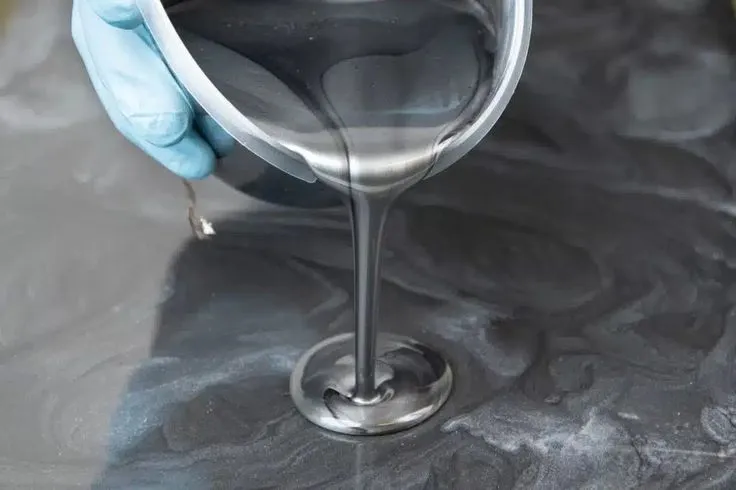
Metallic epoxy installations are part technical process and part decorative craft. Flowing pigments can create marble-like patterns, but the finished floor depends on compatible materials and precise timing rather than artistic technique alone. Contractors evaluating epoxy max 100 los angeles products should consider how the chosen base resin fits the complete flooring specification. From substrate preparation to the last protective layer, each decision influences appearance, adhesion, and maintenance. This helps installers set realistic expectations.
Start With the Concrete, Not the Color
A glossy metallic finish can reveal defects that go unnoticed beneath ordinary flooring. Cracks, patches, old adhesives, and surface contamination may influence both adhesion and appearance. Contractors should inspect the slab before presenting a final design or promising a particular visual result.
Mechanical preparation creates an appropriate bonding profile and removes unsuitable material. Repair compounds must be compatible with the chosen resin, and moisture concerns require proper assessment. Careful groundwork can prevent otherwise attractive decorative layers from failing prematurely.
Know What the Base Coat Must Do
A base coat creates the foundation for subsequent decorative layers. Ghostshield Epoxy Max 100 is presented by its supplier as a two-component, 100% solids epoxy product used in decorative and other coating systems. That description alone does not establish suitability for every substrate.
Installers should review manufacturer guidance for mixing ratios, thickness, working time, and recoat windows. They should also determine whether a separate primer is required. Mixing products based solely on similar marketing descriptions can introduce compatibility problems that become expensive after curing.
Shape the Decorative Effect Deliberately
Metallic pigments produce visual depth as they move within a compatible wet resin layer. Color choice, pigment quantity, mixing technique, and the applicator’s movements affect the final pattern. The same palette can produce noticeably different floors on separate projects.
Small samples help clients understand the range of possible effects, but no sample guarantees an exact match across a large area. Contractors should agree on the desired overall character rather than promise identical swirls. Keeping crews consistent in their methods can reduce distracting changes between adjoining sections.
Prepare a Complete Materials List
A metallic floor requires more than colored resin. Mixing containers, suitable application tools, surface repair products, and protective equipment all belong in the plan. Quantities should reflect the floor area, expected coverage, and any waste created by detailed edge work.
Before ordering, review:
-
Primer and base resin specified for the slab.
-
Compatible decorative pigments and tint systems.
-
Squeegees, rollers, mixers, and measuring containers.
-
Topcoat requirements and any traction additives.
-
Repair supplies, gloves, and dust extraction equipment.
Confirming each component beforehand protects the application schedule when mixed materials have limited working time.
Choose the Topcoat for Its Purpose
Contractors researching signature 410 los angeles will find Ghostshield Signature 410 listed as a high-gloss metallic topcoat. Its intended decorative appearance should be evaluated alongside the actual conditions of the installation. Shine alone is not a complete performance specification.
A showroom may prioritize visual clarity, while an entry area may require particular attention to traction and cleaning. Sunlight exposure, abrasion, chemicals, and manufacturer compatibility guidance also matter. The final finish should suit the customer’s use of the space rather than photographs alone.
Control Application Timing and Conditions
Resin products change after their components are mixed. Temperature, batch size, and application thickness can influence working time and curing behavior. Contractors should establish a sequence for mixing, spreading, manipulating pigments, and completing edges before opening containers.
Recoat windows are equally important. Applying another layer too early or too late can compromise the system, depending on product instructions. Crews should also distinguish initial dryness from permission for normal traffic. Manufacturer guidance must determine when furniture or equipment may return.
Explain Maintenance Before Handover
A glossy metallic surface may show dust, fine scratches, or reflected light more readily than a textured floor. Clients should understand these characteristics before selecting a finish. Suitable entrance mats, furniture pads, and regular removal of abrasive grit may help protect its appearance.
Cleaning products should be compatible with the installed system, and spills should be removed promptly. Contractors should provide maintenance and curing information. Clear expectations can reduce disappointment and help the customer care for the completed installation.
Conclusion
Decorative metallic flooring depends on disciplined product selection, concrete preparation, and careful application. Compatible resin layers and realistic design expectations matter as much as pigment movement. Contractors should verify manufacturer requirements before combining materials or scheduling the next phase of work. Installers around Los Angeles and the San Fernando Valley can review available epoxy base coats, metallic finishes, and application supplies through whatittakesla.com when planning distinctive concrete floor projects.
