
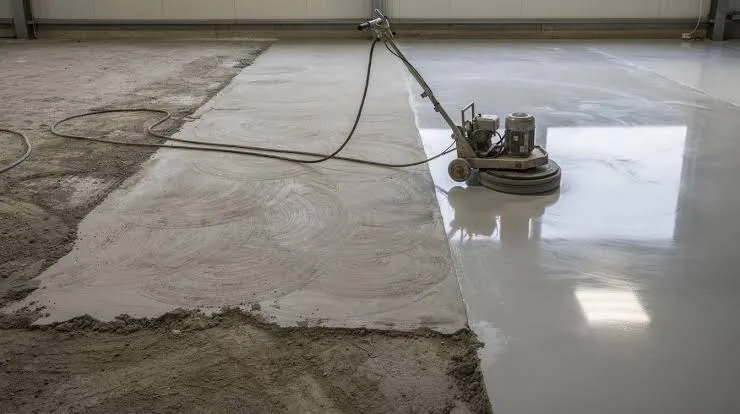
Concrete floors can serve homes, garages, retail spaces, and industrial buildings, but their performance and appearance depend on the finish applied to the surface. Some property owners want a smooth, natural look, while others need a protective layer that stands up to spills, vehicle traffic, or daily work. Understanding the difference between available treatments makes the decision easier. The best choice depends on the slab’s condition, the purpose of the room, and the level of care the owner can provide after installation for years to come.
Why Concrete Floors Need the Right Finish
Concrete floors are known for strength, but an unfinished surface may still collect dust, show stains, or look dull over time. The right finish can improve appearance while making routine care easier. Property owners should consider how a space is used, how much traffic it receives, and what look they want before choosing a treatment. A garage, warehouse, retail area, and living space may each need a different solution. Understanding the available options helps people make a practical choice that supports both daily use and long-term value.
How Polishing Changes a Concrete Surface
For many homes and commercial spaces, concrete polishing offers a clean, refined finish without covering the slab with a separate flooring material. The process generally involves grinding the surface with progressively finer tools, repairing visible imperfections, and refining the concrete to the chosen sheen. This can create a smooth, light-reflective floor that is easy to maintain. The final appearance depends on the condition of the slab and the selected finish level. Proper preparation and professional workmanship help produce an even result that suits the space.
Where Epoxy Coatings Work Well
An epoxy floor coating can be a useful choice when a concrete surface needs a protective layer as well as a decorative upgrade. Epoxy systems are often selected for garages, basements, storage areas, workshops, and warehouses because the cured finish can resist many common spills and everyday wear. Color and pattern options also allow owners to change the look of plain gray concrete. Before installation, the slab must be assessed and prepared carefully. Moisture, oil, weak concrete, or leftover contaminants can affect how well the coating bonds.
Comparing Appearance, Care, and Use
Polished concrete and epoxy coatings can both improve a floor, but they create different results. Polishing works with the existing concrete and can reveal natural variation in the slab, while epoxy adds a distinct surface layer that can include solid colors or decorative flakes. Cleaning needs are generally straightforward for both, although the right method depends on the finish and product used. Owners should think about sunlight, foot traffic, vehicle use, spills, and desired appearance. Matching the finish to the room is more useful than choosing an option based on looks alone.
Why Preparation Matters Before Installation
A lasting floor finish begins with a sound, properly prepared concrete base. Installers may need to remove dirt, grease, old coatings, or loose material before starting work. Cracks and damaged areas should be assessed, since covering an unstable surface will not solve the underlying problem. Moisture testing can also be important, especially where water vapor may move through the slab. For polished floors, preparation shapes the final smoothness and sheen. For coated floors, it helps the material bond as intended. Careful preparation reduces avoidable problems after the project is complete.
Planning for Long-Term Floor Maintenance
Regular care helps preserve the appearance of a finished concrete floor. Dust and grit should be removed often because abrasive particles can affect the surface over time. Use cleaning products recommended for the specific finish, and avoid harsh chemicals or tools that may damage its protective layer. Wipe up spills promptly, especially in garages and work areas where oils or other substances may be present. Owners should also follow any guidance about moving heavy equipment, placing mats, or using floor cleaners. Simple habits can keep the surface looking presentable for years.
Choosing a Contractor for Your Project
Before hiring a flooring contractor, ask how the existing slab will be inspected and prepared, which system is suitable, and what maintenance it will require. Request examples of similar projects and discuss the finish, color, texture, and expected use of the space. A clear estimate should explain the work included and identify any repairs that may affect the final cost. Local experience can be helpful because site conditions vary from one property to another. Taking time to compare recommendations makes it easier to select a solution that fits your needs and budget.
Conclusion
A well-chosen concrete finish can make a space easier to maintain while improving its overall appearance. Polishing and epoxy systems each offer useful benefits, but the right option depends on the surface, traffic, moisture conditions, and design goals. A professional assessment can help identify preparation needs and avoid problems caused by choosing the wrong treatment. For property owners exploring flooring upgrades in Utah, hardrockconcretecoatings.com provides information about available concrete services and ways to request a project estimate. Plan around the space’s real needs before selecting a finish.
