
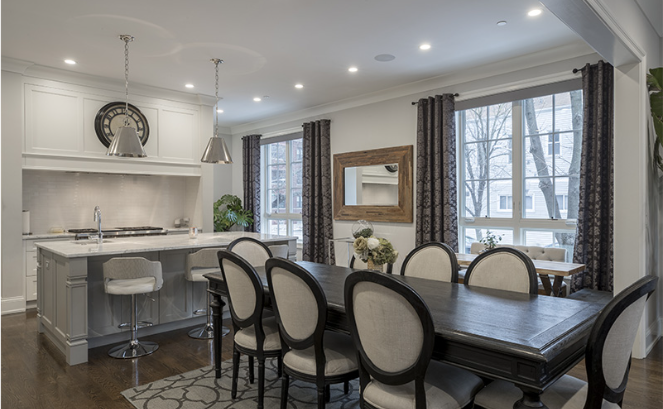
Ceiling lights play a significant role in shaping the ambience and functionality of a space. Beyond illumination, they contribute to a room’s overall character and can serve as statement pieces or discreet complements to the existing design. Whether working with minimalist interiors or ornate settings, the right ceiling light brings balance, warmth, and cohesion. Understanding the relationship between lighting design and architectural context allows for better choices across various room styles, from bedrooms and kitchens to hallways and study areas.
Matching Ceiling Lights with Modern and Minimalist Interiors
Minimalist interiors favour simplicity, clean lines, and neutral tones. Ceiling lights for such spaces must echo the same clarity, often leaning toward recessed lighting or slim, geometric fixtures. Flush-mounted or slim track lighting systems are suitable for low ceilings, offering functionality without visual clutter.
For a touch of flair, a single sculptural pendant can become the focal point of an otherwise pared-down room. In modern living areas, linear LED bars provide excellent coverage while maintaining a sleek aesthetic. Kitchens, in particular, benefit from under-cabinet lighting paired with ceiling fixtures that deliver focused yet subtle brightness.
Minimalist designs often avoid heavy embellishments, so the light fixture’s material and finish— matte black, brushed metal, or frosted glass—should align with the room’s understated tone. While the lighting remains intentionally unintrusive, it must still deliver sufficient coverage to serve both task and ambient functions. The key lies in precise positioning and appropriate wattage, allowing light to support the space without overwhelming it.
Classic, Rustic, and Eclectic Spaces
Unlike minimalist interiors, classic and rustic styles embrace texture, detail, and warmth. Ceiling lights for such rooms may include chandeliers, lantern-style pendants, or caged fixtures with an antique finish. These designs create a sense of tradition and comfort while reinforcing the room’s architectural details.
Rustic spaces often incorporate natural materials, and this can extend to lighting as well. Fixtures made with wood, wrought iron, or weathered metals blend seamlessly into farmhouse kitchens or cottage-style lounges. Vintage-inspired bulbs with warm hues enhance the inviting quality of these rooms, creating a glow that encourages relaxation.
Eclectic interiors, on the other hand, provide room for creativity. Mixing patterns, colours, and furniture styles allow for ceiling lights with bolder personalities. From globe clusters to stained glass shades, eclectic lighting complements the unpredictable, curated feel of these rooms. Regardless of the design, the fixture should contribute to the balance of the space, echoing at least one design element already present.
Layering Light in Multi-Purpose Rooms
In open-plan spaces or rooms with varied uses, layered lighting is essential. Ceiling lights form the foundation, delivering general illumination that must then be supplemented by wall fixtures or floor lamps. These overhead lights should cover the entire space effectively, without creating dark corners or harsh glare.
For such environments, ceiling fan installation can serve dual purposes. A ceiling fan with integrated lighting offers ventilation and light in one, ideal for multi-use rooms where space is at a premium. Choosing a fan with adjustable settings and dimmable lights helps accommodate the different needs of the space, whether it’s dining, entertaining, or relaxing.
Understanding the cost of installing a ceiling fan beforehand allows for better budgeting and realistic expectations. Prices can vary depending on wiring complexity and ceiling height. However, the long-term benefits—energy savings, improved airflow, and dual functionality—make it a worthwhile investment for multi-purpose areas. The installation process should be handled by professionals to ensure both safety and performance.
Making the Right Choice for Smaller or Transitional Spaces
Smaller rooms such as hallways, foyers, and bathrooms require careful attention. These spaces benefit from ceiling lights that are compact yet effective in illuminating narrow or enclosed areas. Flush or semi-flush fixtures are excellent options, as they provide ample light without encroaching on the space.
In bathrooms, lights must also withstand humidity. Materials like polished chrome or moisture-resistant coatings are advisable. Foyers can afford a bit more flair, where an ornate pendant or small chandelier can create a strong first impression. For transitional areas like staircases or landings, ceiling-mounted spotlights provide safety without dominating the visual field.
The challenge with smaller or connecting rooms lies in maintaining cohesion with adjacent spaces. The ceiling lights must bridge the design elements of surrounding areas while still being functional. Thoughtful design and proportionate sizing ensure these fixtures enhance rather than interrupt the flow of the home.
Ceiling lights are far more than functional necessities— design tools that help define a room’s purpose and feel. Whether the goal is subtle support or dramatic flair, every room can benefit from carefully chosen overhead lighting that enhances its existing features. Integrating solutions like ceiling fan installation or considering the installation of ceiling fan cost alongside aesthetic concerns ensures the final result is both practical and visually satisfying.
For lighting that suits every space with thought and precision, visit Sense N Bedeck today. Let us help you create a lighting plan that works beautifully from ceiling to floor.

